Mobile auto glass service looks simple from the outside. You call, a van shows up, a technician replaces the windshield in your driveway, and you pay the bill. The details between the phone call and the final swipe of your card are where quality lives or dies. I have spent years on both sides of that call, estimating jobs and fixing the fallout when a rushed installation turns into a leak, a whistle, or worse, a safety hazard. A low price can hide shortcuts, and a high price does not guarantee craftsmanship. The way to protect yourself is to ask sharper questions before you accept a mobile auto glass quote.
This guide gives you the questions that separate a careful, well-equipped operator from a van with a suction cup and a social media page. It also explains why each question matters, what a credible answer sounds like, and where the red flags hide. Whether you searched for auto glass near me at lunch or you are staring at a spreading crack on a road trip, the same principles apply.
Start with the glass itself
Every quote rests on the glass part number. Your car’s windshield is not a generic pane. Options like rain sensors, ADAS cameras, acoustic interlayers, head-up display, solar coatings, and heating elements change the part and the price. This is the most common source of “surprise” fees on the day of installation, which frustrates everyone. When you request a windshield quote, give the shop your full VIN. A good estimator decodes the VIN and looks up the correct part number, not just the base model. If they ask only for year, make, and model, expect a swing of 80 to 400 dollars once they discover you have a humidity sensor or a heated wiper park.
Ask how they are identifying the part. If the answer is “we’ll see when we get there,” that is not a plan. If they pull the VIN, confirm the options they believe your car has. You can verify in your owner’s manual or by looking at the glass markings. Factory glass carries the carmaker’s logo alongside the actual glass maker’s DOT number. Replacement glass lists the manufacturer only. Either can be safe when installed correctly, but the acoustic and optical specs vary. For head-up display windshields, for example, mis-specified glass creates a double image that never goes away. You want the right part on the first try.
OEM, OE-equivalent, or aftermarket
Not all replacement glass is equal, but not all differences are visible. OEM means the same maker and spec as the factory-installed glass, often with the automaker’s logo. OE-equivalent can mean the same manufacturer and build without the logo, or it can mean a licensed copy that matches key specs. Aftermarket spans a range, from reputable brands that meet Federal Motor Vehicle Safety Standards to bargain imports with variable optical quality.
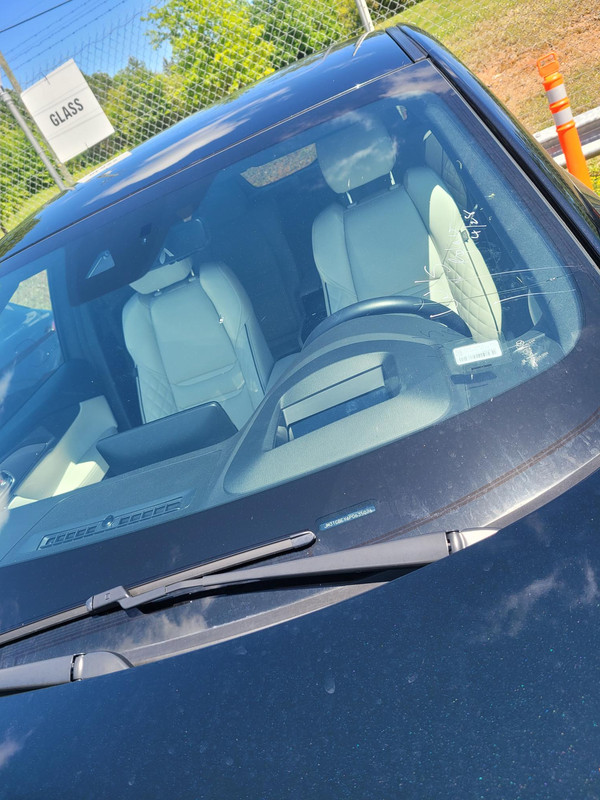
Here is the nuance you will not get from a two-line estimate. Modern windshields are structural. They contribute to roof crush strength and airbag performance. I have seen off-brand windshield laminates that pass drop tests but carry higher distortion near the edges. Fine on a base sedan, a nuisance on a car with driver-assistance cameras that watch lane lines at the glass perimeter. I have also installed OE-equivalent glass from the same factory line as the OEM pane, minus the logo, and it behaves identically.
Ask which brand you are getting and why they chose it. A straight answer might reference Pilkington, Saint-Gobain Sekurit, AGC, Guardian, Fuyao, Xinyi, or Carlex. If the estimator shrugs and says “aftermarket,” press for a label. If they cannot name the brand until the morning of the job, you are gambling. There are times to insist on OEM, such as for head-up displays, some luxury acoustic laminates, and certain ADAS camera pairings that calibrate best with OEM markings. There are times when a quality OE-equivalent saves money without any downside. The right shop will talk you through that choice.
Adhesive chemistry and cure time
The urethane adhesive is as important as the glass. It is the link between your car’s frame and the windshield. Adhesives have different safe drive-away times based on chemistry, temperature, and humidity. Most professional-grade urethanes specify a safe drive-away window from 30 minutes to 2 hours with dual airbags in moderate weather. Cheaper products push that out several hours, and that does not include the time it takes for the adhesive to reach full strength.
Here is what I ask when I’m placing a job with a mobile team. Which urethane system do you use? What is the safe drive-away time for today’s conditions? Will you provide that in writing on the work order? I have seen technicians under production pressure tell a customer to drive off in 15 minutes with a slow-cure adhesive in cold weather. You do not feel anything wrong until a crash or a pothole strike exposes the weak bond. A dependable tech checks temperature and humidity, adjusts the bead profile, and waits the cure time. If the forecast calls for freezing rain, they reschedule or park the car indoors to control conditions.
There is a second adhesive in play as well, the primer system. Proper priming prevents corrosion and ensures adhesion to the glass frit and painted pinchweld. Ask if they use a full primer system and if they will document lot numbers. That sounds picky until you have to pursue a warranty claim. Lot numbers and cure times are your paper trail.
ADAS cameras and calibration realities
Cameras and sensors mounted to the windshield are now the norm. Lane keep assist, automatic high beams, traffic sign recognition, forward collision warning, and adaptive cruise control rely on that camera’s alignment and clear optical path. When the windshield is replaced, calibration is either required or strongly recommended. You can get away without it on some models without immediate alarms, but reliability drops. Lane centering might drift, or the system might disengage on long curves.
Shops handle ADAS in three ways. Some do static calibrations in-house with targets, level floors, and manufacturer procedures. Some do dynamic calibrations on a structured drive with a scan tool and calibrated routes. Some subcontract to a calibration center or a dealership. Ask which method they use for your specific vehicle, where it will be performed, and whether the calibration is included in the auto glass quote. On late-model cars, calibration can add 150 to 500 dollars. On vehicles with multiple systems, it can go higher. Cheap quotes sometimes ignore calibration and hope the dash does not set a code. If a shop tells you your 2021 crossover does not need calibration, ask them to cite the OEM procedure. Many do, and it is not optional.
One more detail matters. Camera brackets and gel packs are consumables. If the bracket is bent during removal, it must be replaced. Some cars use a precise gel or camera pad for optical coupling. Reusing a stretched or bubbled pad causes blurry images and failed calibrations. Confirm these items are included if your vehicle uses them.
Mobile environment and weather protection
Mobile auto glass works well when the tech can control the environment. Wind brings dust that contaminates the adhesive. Rain dresses like a harmless mist while it sneaks under the bead and compromises the bond. Sun can overheat the pinchweld and off-gas solvents, leading to bubbles. Experienced mobile techs adapt. They carry a canopy or tent, clean the bonding area thoroughly, and set the urethane bead to the right height for the glass thickness and trim style. They test fit dry, transfer sensors and moldings carefully, then set the glass in one controlled motion using setting devices or practiced technique with equal force from both sides.
Ask how they protect the vehicle from weather and dust at your location. If the answer is “we work fast,” that is not protection. A simple pop-up canopy and fender covers make a difference. If wind gusts over 20 mph, a quality shop will rebook. They will also ask you to clear space around the car, set the parking brake, and provide access to a power outlet if they use powered setting tools or calibration equipment. When you search auto glass near me and schedule on a tight day, give them the conditions to do a clean job.
Trim, moldings, and clips
Many quotes do not mention moldings or clips. Some cars use rubber reveal moldings or encapsulated glass with pre-installed trims. Others rely on one-time-use clips under the cowl and A-pillar covers. Reusing brittle clips saves a few dollars but causes rattles and loose Lancaster windshield repair trim weeks later. I have seen techs tape moldings with generic 3M tape when the correct clips are missing, then hope nobody notices. On the highway, the tape releases and you hear a helicopter thrum.
Ask whether your job includes new moldings and replacement clips. If they say the old ones will be reused, ask what happens if those break during removal. The right answer is that common clips are stocked on the truck or available locally and the shop will replace them as needed without delaying the job. Some moldings come bonded to the glass and drive the choice of OEM or OE-equivalent. That can change price and availability by a couple hundred dollars. Better to know upfront.
Corrosion and pinchweld preparation
The adhesive bond is only as good as the surface that holds it. When a previous installer cut corners or when a rock chip allowed water to sneak past a pitted edge, the pinchweld can rust. You cannot glue onto rust and expect long-term strength. The correct procedure is to remove loose paint and corrosion, treat the metal per the adhesive manufacturer’s instructions, and prime it. That takes time and materials. If your vehicle is older or has a history of replacement glass, factor this in.
Ask the estimator what the policy is if the technician finds corrosion or old adhesive buildup. You want a plan that includes proper preparation, not a promise to “make it work.” If the prep extends the appointment, that is preferable to a shortcut that fails a year later when the rust swells and breaks the bond. I have had to redo windshield replacement jobs where the bead was set on top of grime and painted over. The urethane looked sealed on day one and peeled off by hand a season later.
Warranty terms that actually mean something
Most mobile shops advertise a lifetime warranty against leaks and workmanship defects. That phrase sounds nice until you need service and discover the fine print. A practical warranty specifies what is covered, for how long, and how service is performed. Does the shop come back to you for leak diagnostics or do you have to drive to their base? Are stress cracks covered if they originate from the edge due to installation stress? Are moldings and clips subject to a separate parts warranty? If your ADAS calibration fails, who pays for the re-calibration?
Ask for the warranty in writing before you accept an auto glass quote. Look for language that commits to mobile leak checks and no-charge reseals for workmanship issues. Be reasonable, too. Impact damage from a new stone is not a warranty claim. But if the windshield whistles at 55 mph or the glass sits high on one corner, that is on the installer. I keep photos of bead profiles and prep when I install. A careful shop does the same, and those photos speed resolution if anything goes wrong.
Insurance, billing, and cash price traps
Insurance changes the math. If you carry comprehensive coverage with glass benefits, the claim process can route you to a network. You still have the right to choose your shop in most states. Network pricing often sets the glass rate and labor, which can favor larger providers. Independent shops compete on service and speed. Some will handle the claim paperwork and collect your deductible onsite. Others prefer cash jobs to avoid network delays.
Be wary of cash prices that undercut the field by half. The shop has to save that money somewhere, and it usually shows in the adhesive, the glass source, or the time allowed per job. I have seen 99 dollar windshield replacement offers that end up as 220 dollars with molding, disposal, and “shop supplies,” and then the tech shows with a generic glass that does not match the tint band. Ask for an all-in price, including moldings, clips, disposal, mobile service, taxes, and calibration if required. If you are using insurance, confirm whether the shop is billing at network rates and whether the calibration center is in network as well.
Scheduling and safe drive-away planning
Mobile service revolves around routes. A good scheduler balances time windows with cure times and real traffic. If your technician is booked back-to-back across town, your job will be rushed. I admit I have been guilty of trying to squeeze one more set in before rain. That is when mistakes creep in.
When you accept an appointment, ask for a realistic arrival window and the total onsite time, including calibration if applicable. Plan the safe drive-away time into your day. If your car sits outside in the sun, ask about recommended wait time before a car wash or high-pressure rinse. Many adhesives advise avoiding car washes for 24 to 48 hours. Heat and cabin pressure changes can stress the bond while it is green. Crack a window on your first drive, especially if you slam doors out of habit.
Red flags during the estimate call
You can learn a lot from the estimate call. The person on the other end might be a dispatcher juggling dozens of jobs or a seasoned estimator who can spot traps from your first sentence. The level of detail they ask for and the explanations they offer tell you how the job will go. A shop that asks for the VIN, explains calibration, and notes weather contingencies is a shop that has dealt with problems and built processes.
Here is a short checklist you can use before you say yes to any auto glass replacement quote.
- Which exact glass brand and part number are you quoting, and does it match my vehicle options by VIN? What urethane and primer system will you use, and what is the safe drive-away time for today’s conditions? Does this quote include ADAS calibration if required, and where will it be performed? Are new moldings and clips included if needed, and what happens if hidden damage or corrosion is found? Can you provide the warranty terms in writing and support mobile leak checks after the job?
Five questions, all answerable in two minutes. If the estimator answers clearly, you likely found a professional. If they dodge or minimize, keep shopping.
What a professional installation looks like
It helps to know the rhythm of a proper mobile install so you can recognize good habits. The tech arrives, verifies your identity and the vehicle, confirms the part, brand, and options, and walks around the car looking for pre-existing damage. They cover fenders and the dash, pull wipers and cowl as needed, and start the cutout. Good techs control the blade path to protect paint. Some use wire systems to reduce scratches. After the glass is out, they strip the old urethane to a thin, uniform layer called a full-cut method. They treat any bare metal per the adhesive guide and clean the frit band on the new glass.
Before setting, they dry-fit the glass to align gaps. Sensors, brackets, rain light modules, and rearview mirror mounts transfer with proper torque and new pads where required. The urethane bead gets applied with consistent height, paying attention to corners and splice ends. The set is deliberate, and the tech checks flushness and gap uniformity. Once the glass is in, they reinstall trims and cowls with fresh clips, torque the wiper nuts, and run a water test after the safe drive-away threshold or at least a controlled low-pressure flow to check edges. They scan for ADAS codes and proceed with calibration. They leave a safe drive-away tag and the warranty sheet, and they take their trash.
The entire process for a typical sedan without calibration runs 60 to 90 minutes when handled by a practiced tech with everything ready. Add 45 to 120 minutes for calibration depending on the method and model. Complex vehicles with sensor packs and bonded moldings can stretch longer. A 30-minute driveway miracle is usually a corner cut in disguise.
Special cases that change the conversation
Some vehicles defy the simple mobile model. Panoramic windshields and exotic materials require more hands and heavy stands. Vehicles with extensive corrosion need body shop support. Certain European cars demand OEM glass for ADAS to behave, not by superstition but by calibration tolerances documented in OEM procedures. Trucks and vans with deep-set windshields call for specific setting devices. RV glass might need a specialty provider altogether.
If your car falls into one of these buckets, ask the shop how many of your exact model they have done in the last six months. A straight answer like “we do two a month and we bring a second tech” is confidence inspiring. If they have to think hard or tell you it is all the same, consider a shop that focuses on your vehicle type. You can still start with auto glass near me, then filter by experience.
How to compare two quotes without getting lost in details
Two estimates rarely line up part for part. One includes calibration and moldings. The other does not. One uses OEM glass. The other relies on a reputable OE-equivalent and passes savings to you. Rather than chasing every line, normalize the key variables.
- Glass type: OEM vs OE-equivalent vs aftermarket with named brand. Calibration: included or separate, method, and location. Adhesive system: brand and safe drive-away time. Moldings and clips: included if needed. Warranty and mobile service aftercare: documented or vague.
Once you line those up, the price comparison makes sense. I often see a 150 to 300 dollar spread explained by these factors. A too-good-to-be-true offer usually hides one of them. Transparency is your best filter.
A note on rock chip repair versus replacement
Many shops that quote windshield replacement also repair chips. If the break is smaller than a quarter and outside the driver’s direct line of sight, repair stabilizes the glass and preserves the factory seal. Repairs cost a fraction, often 60 to 120 dollars, and take 20 to 30 minutes. Insurance often waives deductibles for repairs. If a shop jumps straight to replacement without evaluating repair, ask why. There are valid reasons to replace, such as cracks that reach the edge, damage over sensors, or contamination. Still, a culture that values repair first usually values quality in replacement too.
When the cheapest option costs the most
I remember a fleet manager who chased the lowest bid. The installer used a slow-cure urethane in winter and sent drivers out in under an hour. The first hard brake on the highway, the passenger airbag deployed and lifted the windshield off its bed, then dropped it back. The glass did not fly off, but the bond was compromised, and water leaks followed. We spent weeks redoing those installs while the vans sat idle. The original savings evaporated, and so did the patience of the drivers who dealt with fogged windshields and wet carpets.
The lesson sticks. Price matters, but downtime, safety, and confidence matter more. A good auto glass quote is not just a number. It is a summary of materials, methods, and accountability.
Bringing it all together when you search
Most people start with a search term like auto glass near me and then click the first few results. That is fine, as long as you move past the headline price and ask the questions that expose the real differences. For everyday vehicles, a well-specified OE-equivalent windshield, a fast-cure urethane with documented safe drive-away time, proper calibration, and a clean mobile setup produce a result indistinguishable from factory. For higher-end cars or special options, OEM glass and tighter procedures might be worth the extra cost.
When you request an auto glass quote, communicate clearly. Provide the VIN, note any sensors you see at the top center of the glass, mention if you have a head-up display or heated wipers, and say where the car will be parked during service. Ask the five questions from the checklist. Read the warranty sheet. Plan your day around the cure time. These steps take minutes and save hours later.
If you hit a snag, such as a parts delay or weather, a good shop will tell you and reschedule rather than force a bad install. That honesty is the same quality that keeps water out of your car and keeps your ADAS working when you need it. The right windshield replacement is a craft, not an errand. Treat it that way, and your car will feel solid, quiet, and safe the moment you pull out of the driveway.